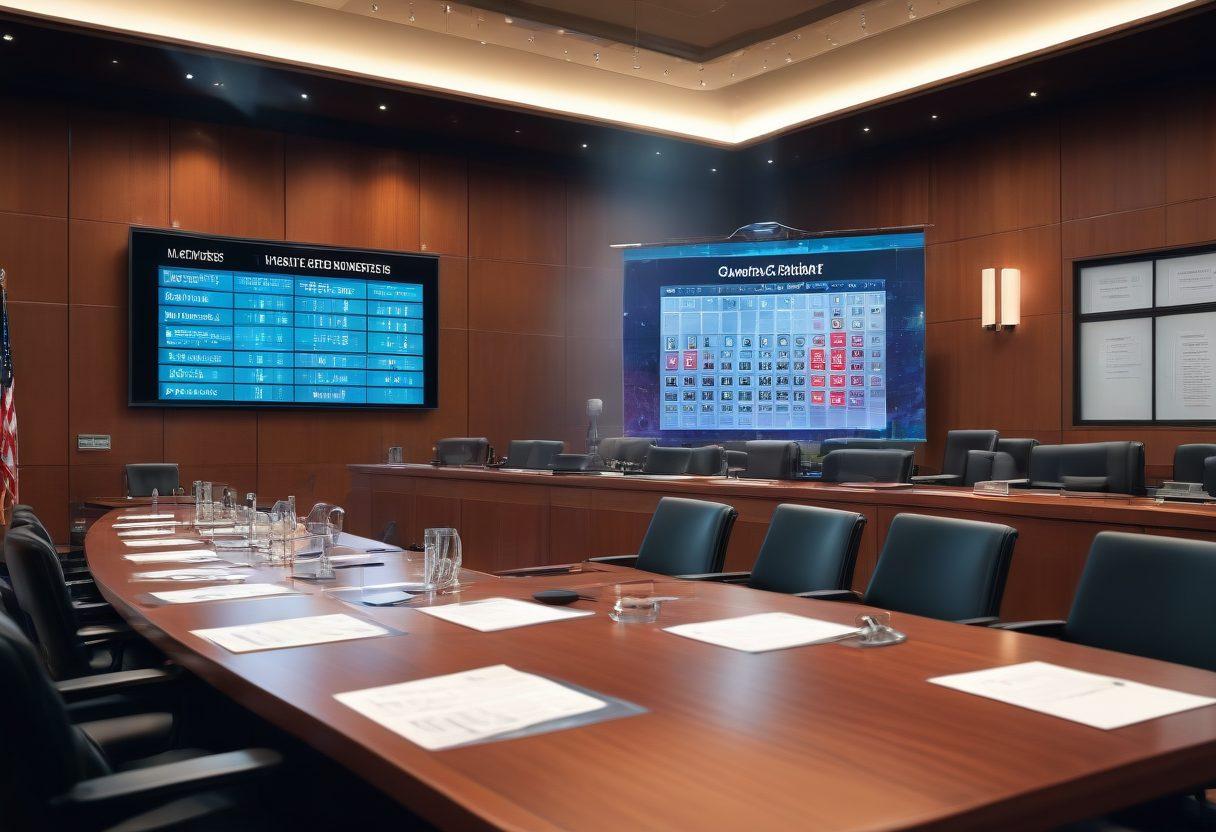
Navigating the Legal Labyrinth: Your Ultimate Guide to Court Timetables and Schedules
Navigating the intricate web of court timetables can be a daunting endeavor for anyone involved in legal proceedings. Picture this: you’re standing at the entrance of a busy courthouse, surrounded by a whirlwind of people, paperwork, and legal jargon swirling in the air. Your heart races as you contemplate your next court appearance, and suddenly, a question strikes you—how do I ensure that I’m always informed about the latest court schedules and announcements? This blog will peel back the layers of complexity surrounding court timetables and provide you with essential insights to master the judicial schedule like a seasoned pro.
Understanding the rhythm of court schedules is imperative for smooth case management. Have you ever wondered how some legal practitioners seem to always be one step ahead? It’s all about the court timetable. With its various components including court listings, case dates, and court session schedules, staying in the loop about these elements can spell the difference between a successful court appearance and a missed opportunity. The ability to track and manage court events through a diligent court management system can mitigate stress and help you stay organized throughout legal proceedings.
Court notifications are your most crucial allies in this journey. Imagine receiving a timely update about a change in your court date or an essential document that has just been filed—these notifications are designed to keep you informed and prepared. But how do you ensure you receive all relevant legal updates? As you familiarize yourself with your judicial calendar, consider subscribing to your local courthouse’s alerts or checking the online court dockets frequently. These resources provide valuable insight into upcoming court appearances, potential delays, or changes in court announcements, allowing you to stay ahead in the game.
Let's face it: navigating legal schedules can feel like embarking on a treacherous expedition without a reliable map. Just like explorers of old relied on the stars, you too can rely on tools available today. Learn to utilize digital court tracking systems that can provide you with real-time updates to your court schedule. These digital tools have become game-changers in modern legal practice, allowing you to gain insight into your case management efficiently and ensuring you stay aligned with court agendas and events that matter the most.
In conclusion, mastering court timetables requires a blend of vigilance, technology, and proactivity. The legal landscape is filled with complexities, but approaching your legal obligations with a robust understanding of court schedules empowers you to navigate this labyrinth confidently. By keeping up with court information and embracing modern tools for court session scheduling, you’ll not only enhance your ability to manage court appearances effectively but also transform potential legal chaos into a streamlined process. Remember, as you step into the realm of legal proceedings, knowledge truly is power—so equip yourself wisely!
Stay Ahead of the Game: A Deep Dive into Judicial Calendars and Court Notifications
Navigating through the labyrinth of legal proceedings can feel like wandering through an intricate maze, filled with unforeseen twists and turns. But what if I told you that mastering the court timetable could be your compass? Understanding judicial calendars and court notifications is not just about keeping tabs on upcoming court appearances; it's about gaining an upper hand in the legal game. After all, being prepared for every court event can make a world of difference in how your case unfolds. So, how can you ensure you’re always a step ahead in this complex system?
Imagine waking up one morning, coffee in hand, ready to tackle your day, only to find that you missed a crucial legal date because you didn't check the court dockets. How frustrating! This is where the importance of a well-organized judicial schedule comes into play. With the right tools and knowledge, you can turn anxiety into empowerment. Keeping track of your case dates and staying informed about court announcements and updates brings peace of mind, allowing you to strategize effectively for your court appearances and legal proceedings.
One of the most effective ways to manage your court schedule is through a robust court management system. These systems are designed to provide real-time court information, including court session schedules and the latest updates on your case. Imagine being able to receive instant notifications about changes to court events or new court listings! This modern approach to court tracking takes the guesswork out of navigating the legal labyrinth, giving you the confidence to focus on what truly matters: building your case.
Storytime: A friend of mine once shared her horror story about her first-ever court appearance. With limited knowledge of the judicial calendar, she arrived only to learn that the court session had been rescheduled—a simple oversight that cost her precious time. She learned the hard way that the key to successful case management lies in understanding the nuances of court schedules. By implementing strategies to track court dates and staying on top of court agendas, she reclaimed control over her legal journey. What lessons can you take from her experience?
In conclusion, staying ahead of the game requires more than just understanding the basics. Use technology to your advantage—set reminders, subscribe to legal updates, and utilize court tracking tools to ensure you never miss a beat. Embrace the power of being proactive. After all, in the intricate world of law, knowledge is not just power; it is your safeguard against chaos. What proactive steps will you take today to ensure you’re prepared for your next court appearance?
Your Roadmap to Court Appearances: Understanding Dockets, Events, and Case Management
Navigating the intricate world of court proceedings can often feel like trying to find your way through a maze. With legal jargon flying around, and judicial schedules changing at a moment’s notice, it’s no wonder that many find themselves overwhelmed. But fear not! This guide is your roadmap to understanding court appearances, from the nuances of court dockets to the significance of court notifications. Whether you’re a legal professional or an individual facing a court case, knowledge is your best ally in this labyrinth of legal dates and events.
First, let’s talk about court dockets. These are the heart and soul of any court timetable, providing a detailed listing of all matters scheduled for a particular day. Think of it as the ultimate itinerary for your day in court. What if I told you that keeping an eye on the court docket can mean the difference between a smooth legal proceeding and a forgotten case that is easily pushed aside? Yes, staying updated with court announcements and participating in court tracking can empower you to be proactive rather than reactive. After all, nobody likes to experience that sinking feeling when they realize they've missed a crucial court appearance due to an overlooked court listing.
Understanding the judicial calendar is critical for effective court case management. Did you know that courts work on a fine-tuned schedule for events such as hearings and trials? Knowing the court session schedule allows you to anticipate when your case will be on the move, which means you can prepare accordingly. Ask yourself: do you have all your legal updates filed away? Are your documents organized and ready to present? The better you grasp your court agenda, the better you’ll feel walking into the courtroom, equipped with everything you need.
However, amid all the hustle, it's easy to overlook something small yet significant: the importance of legal dates. From motions to final hearings, these dates serve as crucial markers in your case’s narrative. What if you had a trusty calendar specifically for legal proceedings? Imagine the peace of mind that comes from a well-maintained list of case dates, avoiding the dreaded last-minute scramble. Whether you choose digital reminders or a handwritten planner, consistency is key in maintaining your must-know schedule.
Ultimately, the essence of court management systems lies in their commitment to transparency and efficiency. You see, the legal landscape doesn’t have to be a confusing maze if you grasp the importance of organizing court schedules and events. By being engaged with your judicial schedule and remaining active in court announcements, you create a more manageable and less daunting experience. So, as you gear up for your legal journey, remember: knowledge is power, and with the right roadmap, you can navigate the legal labyrinth with confidence!